
 Shop
Shop Pay Bill
Ranked #1 in Dermatology
- New York
- New Jersey
- Pennsylvania
- New York City
- Philadelphia
#1 Nationally in Cosmetic and Reconstructive Care
- Ranked #1 in Dermatology
- New York
- New Jersey
- Pennsylvania
- New York City
- Philadelphia
AND #1 Nationally in Cosmetic and Reconstructive Care
Over 100 locations throughout
NY, NJ, PA, CT, FL and now IL, MN and MO
Over 100 locations throughout NY, NJ, PA, CT, FL and now IL, MN and MO


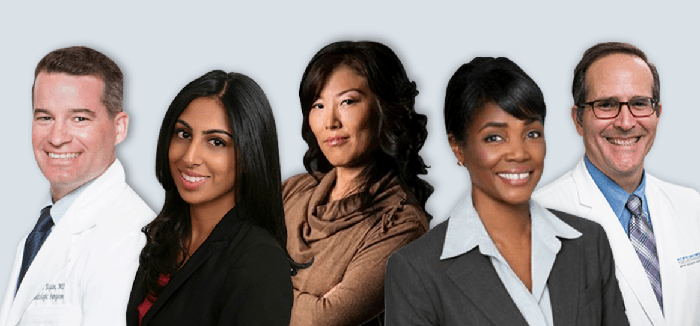
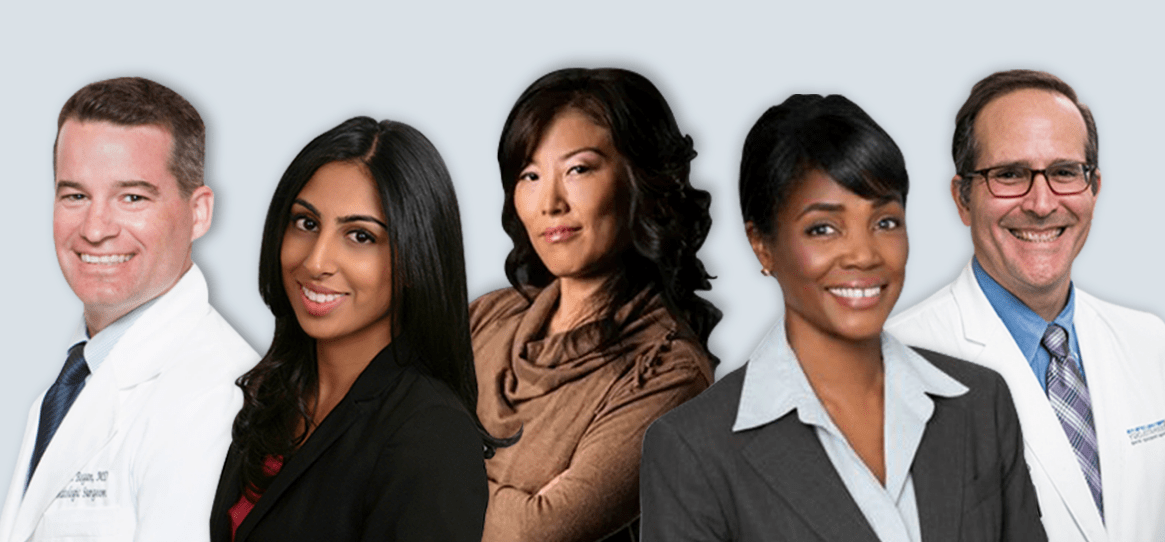
See What Our Patients Are Saying
“Very happy with response time, appt time and overall staff is super friendly and caring. I trust them!!!”

“Friendly, helpful staff, clean facility, well organized, very professional.”

“Clean office, friendly staff, and no wait time at all. Top notch experience!”

“Very helpful doctor and friendly staff. Efficient and professional. Highly recommend.”

“They were very professional but treated you like family with open arms. Thank you everyone😊”
“Wonderful staff and providers! I highly recommend their services! Providers are wonderful with kids too.”

FREE shipping
on orders over $100
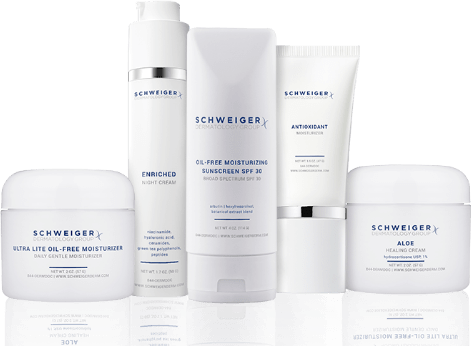
- Dermatologist Recommeded Skincare
- Clinical-grade Ingredients
- For Every Skin Type and Tone
Visit Our Blog
-

Back Acne (‘Bacne’): Types, Causes, Treatment And More
July 27, 2023
Much like facial acne, having acne on your back is a common concern for many, but it’s often easily treated with products from a local […]
-
Bob Marley’s Battle with Melanoma
February 28, 2024
The new movie Bob Marley: One Love tells the story of how Bob Marley becomes the king of reggae. The biopic shows how Marley’s music […]
-
Schweiger Dermatology Group Recognized by Castle Connolly with 57 Physicians Named 2024 Top Doctors and #1 Dermatology Practice in New York, New Jersey, and Pennsylvania
January 24, 2024
NEW YORK, Jan. 23, 2024 /PRNewswire/ — Schweiger Dermatology Group announced that 57 of its physicians have been named Castle Connolly Top Doctors 2024. The […]
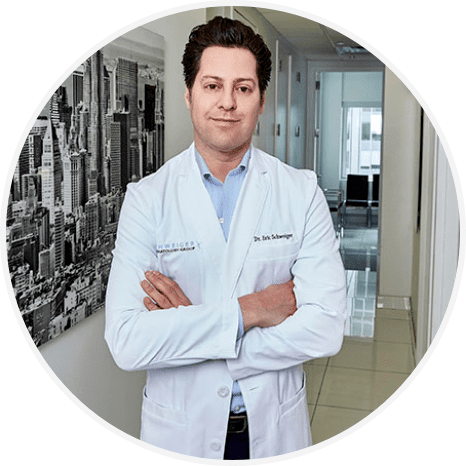
About Schweiger Dermatology Group
Schweiger Dermatology Group was founded to help make excellent dermatology care accessible throughout the Northeast. In 2010, Dr. Eric Schweiger started the practice with a single location in Midtown Manhattan. When he saw the need for high-quality dermatology care that did not require weeks or months of waiting to see a qualified provider, his vision of a multi-location practice was born.

Patient Resources
 Shop
ShopFrequently Asked Questions
-
What services do you offer at Schweiger Dermatology Group?
The Schweiger Dermatology Group is a dermatology care provider offering treatment and services to address all your skincare needs. The prevention and treatment of skin cancer is at the heart of what we do. Other dermatological conditions we treat include herpes, psoriasis, rosacea, eczema, acne, genital warts, melanoma, skin cancer, keratosis pilaris, cold sores, warts, skin tags, rashes, and mole removal.
We also offer innovative and advanced treatment options to our patients, including robotic hair restoration, non-surgical skin tightening, advanced placements of injectables, and overall skin rejuvenation. Our dermatology providers are specially trained on the latest and most effective methods in cosmetic dermatology.
-
What kind of skin conditions do you treat at Schweiger Dermatology Group?
Skin conditions treated at Schweiger Dermatology Group include herpes, psoriasis, rosacea, eczema, acne, genital warts, melanoma, skin cancer, keratosis pilaris, cold sores, warts, skin tags, rashes, and mole removal. However, this is not an exhaustive list. If you have a skin condition that you need looking at, schedule an appointment today.
-
Do you offer Allergy & Asthma services at Schweiger Dermatology Group?
Yes we offer comprehensive Allergy & Asthma services at our Schweiger Dermatology Group – Gramercy and Schweiger Dermatology Group – Financial District locations. To book an appointment, click here.
-
Do you offer Botox® treatments at Schweiger Dermatology Group?
Yes, we offer Botox® treatment for patients who are looking to minimize or reverse wrinkle formation. Only four types of neuromodulators have been approved by the FDA for cosmetic use: Botox®, Dysport®, Jeuveau, or Xeomin.
At the Schweiger Dermatology Group, we can offer treatment using any of these approved muscle relaxants to help minimize the appearance of fine lines and wrinkles in a way that looks natural. Our board-certified physicians will advise you about your procedure and help you make an informed choice regarding your treatment.
-
Do you offer dermal fillers and injectables at Schweiger Dermatology Group?
Yes, we do! Whether you want to fill in smile lines or add volume to your cheek area, our dermatology providers will advise you on the product that best suits your needs. We can help patients achieve a natural look with treatment for facial rejuvenation using a combination of the most advanced forms of dermal fillers and injectables.
-
What body contouring services do you offer?
At Schweiger Dermatology Group, we offer patients a variety of non-surgical body contouring techniques. Treatment is designed to target specific areas to provide skin tightening and lifting options for those dealing with sagging skin. Our providers can also recommend the best body toning treatments (TruSculpt and CoolSculpting) to help tighten, tone, and contour areas of the body that have not adequately responded to diet and exercise.